GAC Group’s Magazine Battery 2.0: Pioneering the Future of New Energy Batteries
GAC Group is once again at the forefront of automotive innovation with the introduction of their latest development in electric vehicle technology, the Magazine Battery 2.0. This new energy battery is not just an improvement over its predecessors; it is a significant leap forward in battery technology, emphasizing safety, efficiency, and sustainability. In this blog, we explore the features of the Magazine Battery 2.0 and its potential impact on the electric vehicle (EV) market.
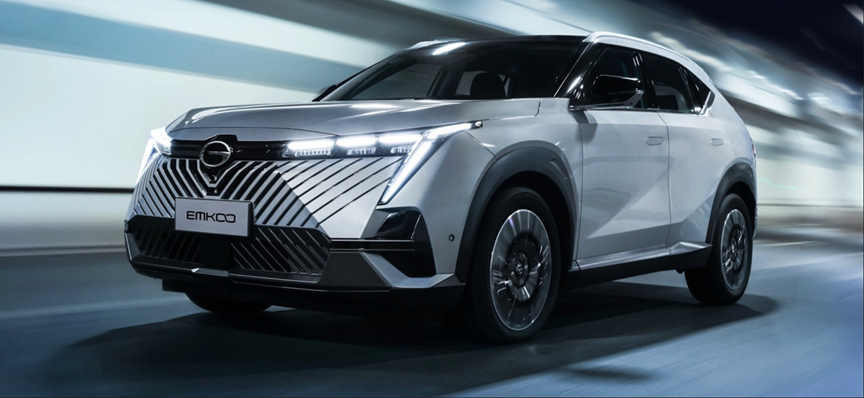
Enhanced Stability with Super Stable Electrode Interface
One of the standout features of the GAC‘s Magazine Battery 2.0 is its super stable electrode interface. This technological advancement is crucial for maintaining battery integrity and performance over extended periods. The stable electrode interface minimizes the common degradation issues associated with recharge cycles, thereby extending the battery’s lifespan and maintaining high efficiency. This is particularly important for electric vehicles, where long-term reliability and consistent performance are key.
Super Heat-Resistant Layer
Safety in battery technology is paramount, especially as the density and capacity of batteries increase to meet the demands of modern electric vehicles. The GAC Motor‘s Magazine Battery 2.0 addresses this critical concern with its super heat-resistant layer. This innovation significantly reduces the probability of a short circuit within the cell, one of the primary risks in battery operation, particularly under high-load conditions or in the event of an accident.
Benefits of the Super Heat-Resistant Layer:
Increased Safety: By drastically reducing the risk of short circuits, the GAC Group’s Magazine Battery 2.0 enhances the overall safety of the vehicle, giving peace of mind to consumers and manufacturers alike.
Improved Performance: The heat-resistant layer ensures that the battery operates within optimal temperature ranges, even under extreme conditions. This leads to better performance and efficiency, as temperature stability is closely linked to battery output and durability.
Longer Lifespan: The mitigation of heat-related degradation and short circuits extends the life of the battery, reducing the need for frequent replacements and lowering the long-term cost of ownership for EVs.
Impact on the EV Market
The introduction of the Magazine Battery 2.0 by GAC Group could have a transformative impact on the electric vehicle market in several ways:
1. Setting New Safety Standards: As EV adoption grows globally, safety concerns remain a significant barrier for many potential buyers. The enhanced safety features of the Magazine Battery 2.0 can help alleviate these concerns, encouraging wider adoption of electric vehicles.
2. Encouraging Technological Innovation: GAC Group’s advancements may prompt other manufacturers to explore new technologies and solutions for battery safety and efficiency, fostering a competitive and innovative market environment.
3. Supporting Sustainable Practices: With its longer lifespan and enhanced efficiency, the GAC Motor’s Magazine Battery 2.0 supports more sustainable manufacturing and usage practices in the automotive industry. This aligns with global efforts to reduce carbon footprints and environmental impact.
Conclusion
GAC Group’s Magazine Battery 2.0 is set to be a game-changer in the realm of electric vehicle technology. With its super stable electrode interface and super heat-resistant layer, this new energy battery addresses some of the most crucial challenges facing the industry today, including safety, efficiency, and sustainability. As the EV market continues to expand, innovations like the Magazine Battery 2.0 will play a vital role in shaping the future of transportation, making electric vehicles a more attractive and viable option for consumers around the world.
